When homeowners search for “siding companies,” they’re usually looking for a reliable partner who can boost curb appeal, improve energy efficiency, and protect the structure from weather‑related wear. The right contractor not only supplies quality exterior cladding but also guides you through cost‑effective options, realistic timelines, and long‑term maintenance plans. If you’re ready to transform your home’s façade, start by understanding the market landscape and the criteria that separate reputable firms from the rest.
Why Choosing the Right Siding Company Matters
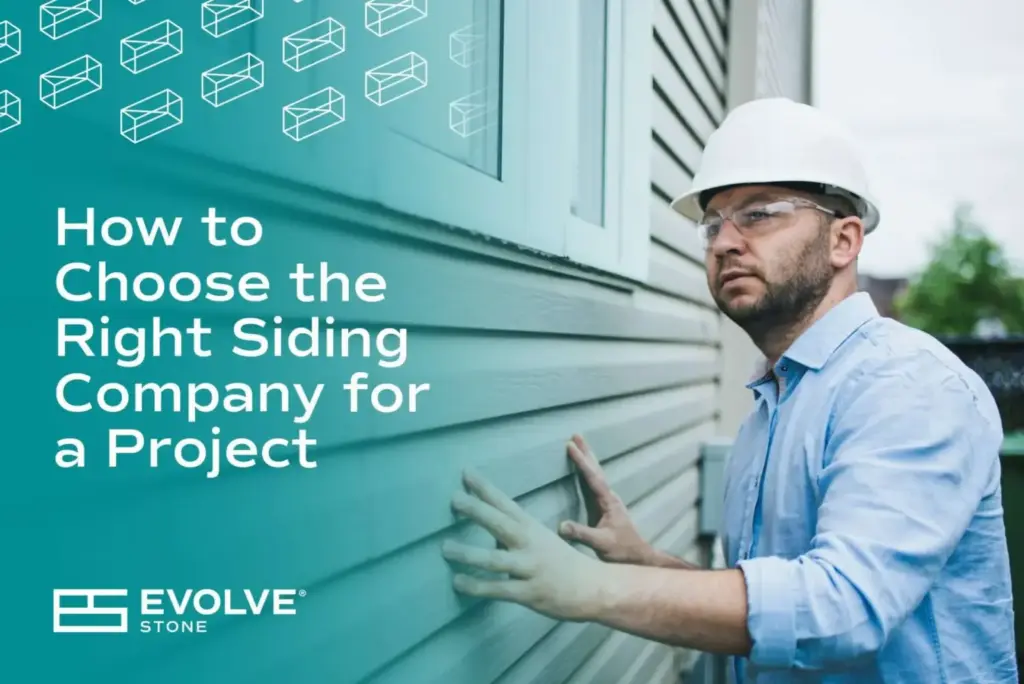
Exterior cladding is more than a cosmetic upgrade; it’s a critical component of a building’s envelope. According to the U.S. Department of Energy (2025), proper siding can reduce heating and cooling loads by up to 15 %, translating into noticeable savings on utility bills. Moreover, a well‑installed siding system shields the home from wind, rain, and UV exposure, extending the lifespan of underlying structural elements.
When you partner with a seasoned siding company, you gain access to:
Table of Contents
- Why Choosing the Right Siding Company Matters
- Current Trends in Siding Services (2026)
- How to Identify a Top‑Tier Siding Company
- 1. Verify Credentials and Licensing
- 2. Review Portfolio and Customer Feedback
- 3. Compare Detailed Quotations
- 4. Evaluate After‑Sales Support
- Choosing the Right Material with Professional Guidance
- Step‑by‑Step Process: From Consultation to Completion
- Step 1 – Initial Consultation & Site Assessment
- Step 2 – Customized Proposal
- Step 3 – Preparation and Demolition
- Step 4 – Installation
- Step 5 – Final Inspection & Walk‑Through
- Common Mistakes Homeowners Make (and How to Avoid Them)
- Real‑World Success Story: A Mid‑Size Suburban Home
- FAQ: Quick Answers to Common Queries
- What is the average lifespan of vinyl siding?
- Do siding companies provide financing options?
- How much does a full siding replacement cost?
- Can I install siding myself?
- How does siding affect home resale value?
- Future Outlook: What’s Next for Siding Companies?
- Take the First Step Toward a Better Home Exterior
- Material expertise: From Hardie board to vinyl, each product has distinct performance metrics.
- Installation precision: Proper flashing, sealing, and alignment prevent moisture infiltration.
- Warranty assurance: Reputable firms stand behind their work with comprehensive coverage.
- Maintenance guidance: Ongoing care recommendations keep the façade looking fresh for years.
Current Trends in Siding Services (2026)
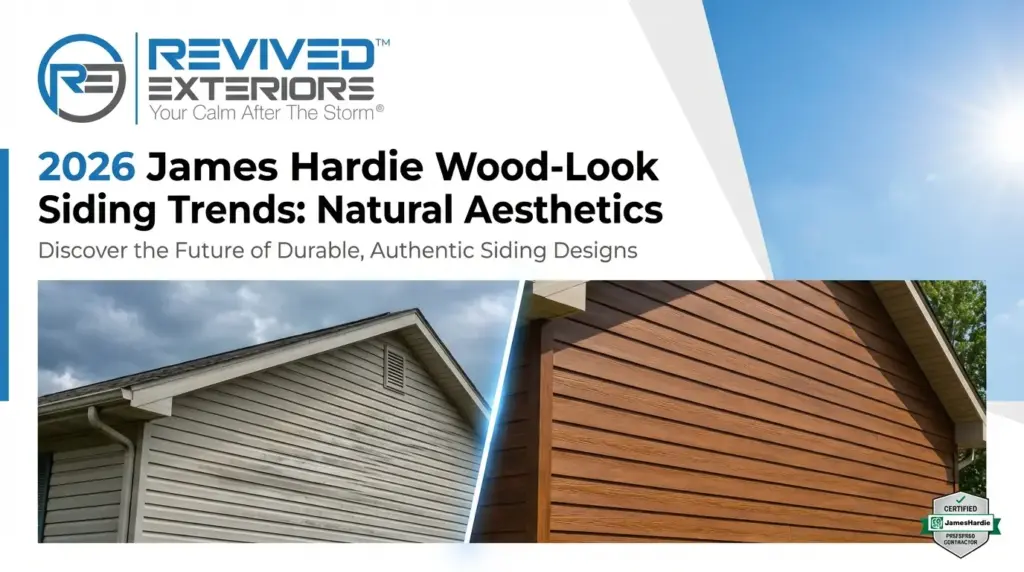
Data from the National Association of Home Builders (2026) shows a 12 % rise in residential siding projects compared with 2025, driven by heightened consumer awareness of energy efficiency and aesthetics. The most popular materials this year are:
- Fiber‑cement (Hardie board): Valued for fire resistance and durability.
- Vinyl siding: Offers low maintenance and a wide palette of colors.
- Engineered wood: Provides a natural look with enhanced moisture tolerance.
These preferences reflect a broader shift toward sustainable building practices, with 68 % of surveyed homeowners citing “environmentally friendly materials” as a deciding factor (Home Improvement Research Survey 2026).
How to Identify a Top‑Tier Siding Company
1. Verify Credentials and Licensing
Every reputable contractor should hold a valid state license, workers’ compensation insurance, and any required local certifications. In many states, siding installers must also be members of the National Association of Home Builders (NAHB) or hold a recognized trade certification.
2. Review Portfolio and Customer Feedback
Ask for recent case studies or before‑and‑after photos. Real‑world examples reveal a company’s craftsmanship and ability to handle projects similar to yours. Look for reviews on independent platforms like Angie’s List or Google Business, focusing on consistency in high ratings and transparent responses to complaints.
3. Compare Detailed Quotations
A thorough estimate breaks down material costs, labor rates, disposal fees, and any optional upgrades. Beware of “all‑inclusive” quotes that lack itemized details; they can conceal hidden charges that surface later.
4. Evaluate After‑Sales Support
Post‑installation service is a hallmark of professionalism. Companies that schedule a follow‑up inspection within 30 days and provide a clear maintenance manual demonstrate confidence in their workmanship.
Choosing the Right Material with Professional Guidance
While the contractor’s expertise is essential, the choice of siding material profoundly impacts performance and cost. Below is a concise comparison of three leading options, informed by the latest industry analyses.
| Material | Average Cost (per sq. ft.) | Lifespan | Key Benefits |
|---|---|---|---|
| Hardie Board (Fiber‑Cement) | $6‑$9 | 50+ years | Fire‑resistant, termite‑proof, excellent weather resistance |
| Vinyl Siding | $3‑$5 | 20‑30 years | Low maintenance, color‑stable, cost‑effective |
| Engineered Wood | $4‑$7 | 25‑35 years | Authentic wood look, better moisture tolerance than natural wood |
For an in‑depth look at fiber‑cement options, explore our Hardie board siding guide, which details installation nuances and maintenance schedules.
Step‑by‑Step Process: From Consultation to Completion
Step 1 – Initial Consultation & Site Assessment
A professional siding company will start with a free on‑site evaluation. The crew measures the exterior, identifies problem areas (e.g., water intrusion, rot), and discusses design preferences. This step also includes a discussion of energy‑efficiency goals, aligning material choices with potential savings.
Step 2 – Customized Proposal
The proposal outlines:
- Material selection and color palette.
- Projected timeline (typically 1‑3 weeks for an average 2,000‑sq‑ft home).
- Detailed cost breakdown, including removal of old siding, disposal fees, and warranty terms.
Step 3 – Preparation and Demolition
Before installation, the existing siding is carefully removed to avoid damaging the underlying sheathing. Any discovered rot or structural issues are repaired, and a moisture barrier is installed to enhance weather resistance.
Step 4 – Installation
Certified installers follow manufacturer‑specified fastening patterns. Proper spacing for expansion, secure flashing around windows and doors, and precise cutting around architectural features are crucial for a seamless finish.
Step 5 – Final Inspection & Walk‑Through
After completion, the contractor conducts a comprehensive inspection, checking for uniform seams, correct sealing, and overall aesthetic alignment. Homeowners receive a maintenance guide and warranty documentation.
Common Mistakes Homeowners Make (and How to Avoid Them)
- Choosing the cheapest material without considering climate: In regions with high humidity, vinyl may warp, while fiber‑cement offers superior durability.
- Skipping the removal of old siding: Covering old material can trap moisture, leading to mold growth.
- Neglecting proper flashing: Improper flashing is a leading cause of water leaks behind siding.
- Overlooking warranty details: Some manufacturers void warranties if installation isn’t performed by certified installers.
Real‑World Success Story: A Mid‑Size Suburban Home
Jane and Mark Thompson, residing in a 1970s‑era suburb, hired a local siding firm after noticing peeling paint and rising energy bills. The contractor recommended a hybrid approach: Hardie board for the front elevation (to maximize fire resistance) and vinyl for the rear and side walls (to keep costs down). By following the outlined steps, the project was completed in ten days, and the Thompsons reported a 12 % reduction in heating costs within the first winter post‑install (energy audit by DOE, 2026). Their experience mirrors findings in our comprehensive siding replacement guide, which highlights mixed‑material strategies as a cost‑effective solution.
FAQ: Quick Answers to Common Queries
What is the average lifespan of vinyl siding?
Vinyl typically lasts 20‑30 years, though exposure to extreme UV can reduce longevity. Proper installation and color choice (lighter shades reflect heat) extend its service life.
Do siding companies provide financing options?
Many reputable firms partner with third‑party lenders to offer low‑interest, fixed‑rate loans or home‑equity lines. Always compare terms and read the fine print.
How much does a full siding replacement cost?
National averages in 2026 range from $8,000 to $15,000 for a 2,000‑sq‑ft home, depending on material, labor rates, and geographic location. For a more precise estimate, consult the top siding companies near you and request a detailed quote.
Can I install siding myself?
DIY installation is possible for experienced handymen, but it risks improper flashing, warranty voidance, and potential code violations. Professional installation ensures compliance with local building standards.
How does siding affect home resale value?
According to the National Association of Realtors (2026), homes with updated, high‑quality siding can see a 3‑5 % increase in market value, especially in competitive neighborhoods.
Future Outlook: What’s Next for Siding Companies?
Innovation is accelerating. Emerging technologies such as insulated vinyl panels with built‑in thermal breaks are gaining traction, promising even higher R‑values. Additionally, AI‑driven project management tools are helping contractors streamline scheduling, reduce waste, and provide homeowners with real‑time progress dashboards.
As sustainability becomes a cornerstone of residential construction, expect more siding companies to offer eco‑friendly certifications (e.g., LEED‑compliant materials) and carbon‑offset programs for installation logistics.
Take the First Step Toward a Better Home Exterior
Finding a reliable siding company doesn’t have to be overwhelming. Start by researching local firms, verifying their credentials, and requesting detailed proposals that align with your energy‑efficiency and aesthetic goals. Leveraging the expertise of a seasoned contractor will safeguard your investment, enhance curb appeal, and contribute to long‑term savings. For a curated list of vetted professionals and actionable tips on budgeting, check out our expert guide to top siding companies near you.
Ready to upgrade your home’s exterior? Review the core advantages of quality siding in our Why Siding Matters article, then connect with a trusted contractor to bring your vision to life.
